Designing for the Indian Climate: Light, Air and Shade
Passive design ideas for homes in Maharashtra: orientation, shading, cross-ventilation, courtyards and monsoon-ready detailing from an architecture studio.
Insights

A well-designed home should be comfortable before the air conditioner is switched on. In much of India, that means handling strong summer sun, humid monsoons and mild winters, all in one building.
The techniques are not new. Traditional homes here used verandahs, courtyards and thick walls for good reason. Modern architecture can reuse those ideas with better materials and sharper detailing.
1. Start with orientation
The sun is the biggest factor in how hot a building gets. Where the site allows, we try to:
Keep large openings on the north and south, where light is softer and easier to shade.
Reduce glass on the west, which receives the harshest afternoon sun.
Place service areas such as stores, stairs and toilets on the hot side to act as a buffer.

2. Shade before you insulate
Blocking the sun before it hits the wall or glass is far more effective than trying to stop the heat afterwards. Useful tools include:
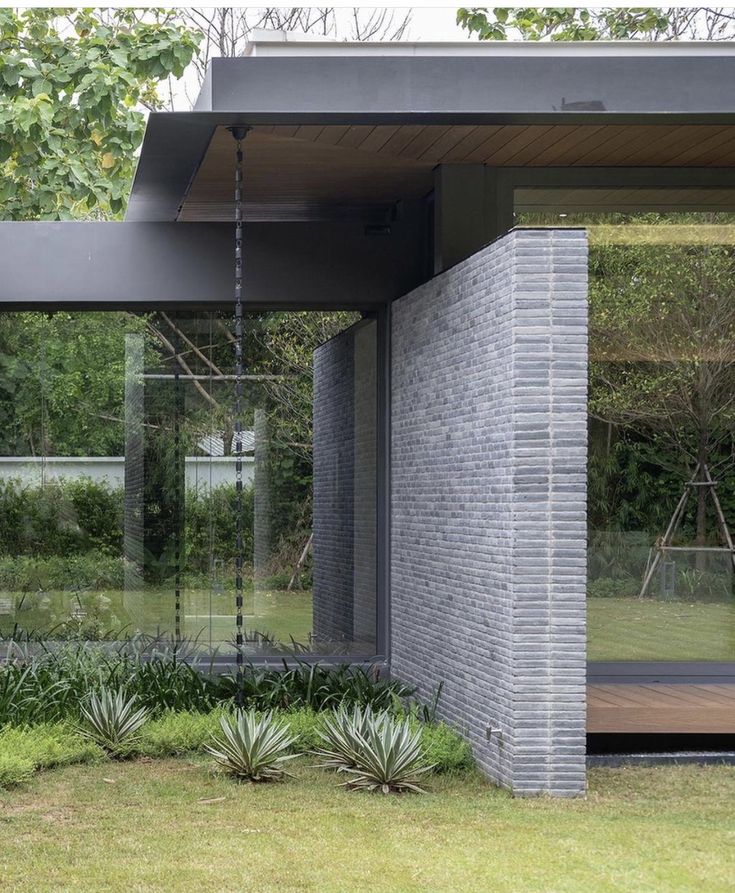
Deep roof overhangs and chajjas
Shaded verandahs and balconies
Louvres, jaalis or vertical fins on exposed facades
Planting and trees on the west and south

3. Let the air move
Cross-ventilation needs openings on opposite sides of a room, and a clear path between them. A central court or double-height space adds the stack effect: warm air rises and escapes through high openings, pulling cooler air in below.
4. Bring in light, not heat
A light court, skylight with shading, or clerestory window can brighten the middle of a home without direct sun on the floor. This cuts daytime electricity use and makes rooms feel larger.
5. Be ready for the monsoon
India's rain is heavy, so comfort strategies must be paired with good detailing:
Generous roof overhangs that also protect windows and walls
Proper slopes and drainage on terraces and balconies
Waterproofing planned as part of the design, not added after leaks appear
Materials chosen for durability in humid conditions
6. Choose materials that suit the climate
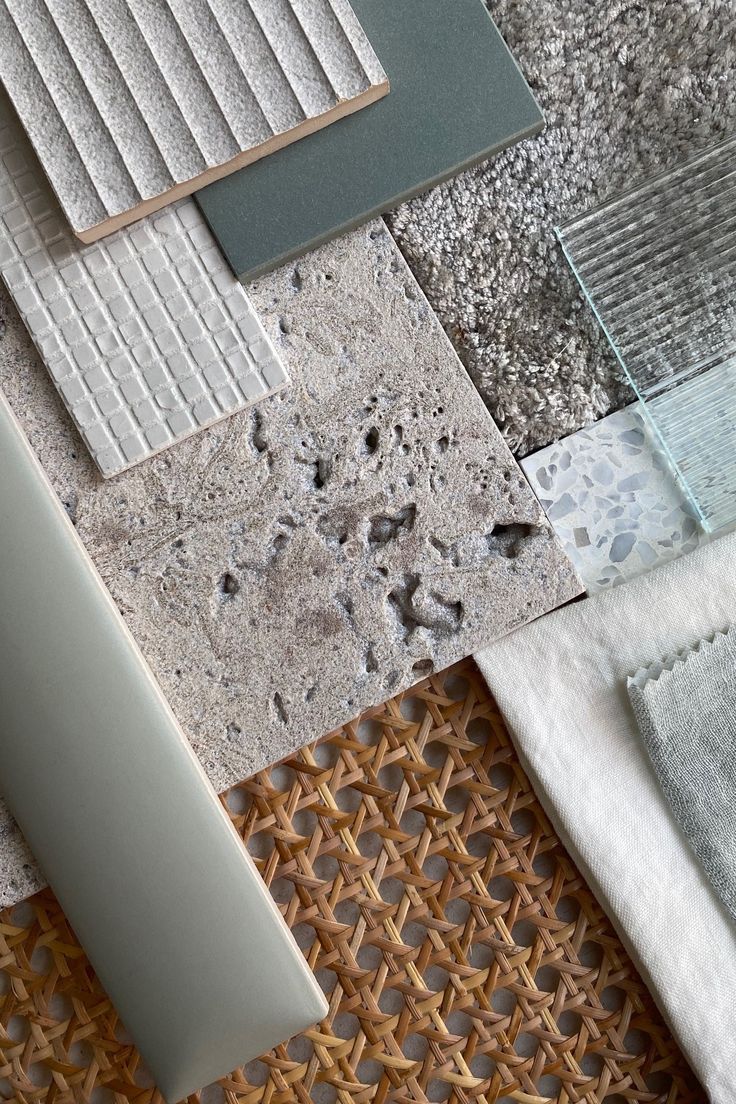
Thermal mass, such as thicker masonry, can moderate temperature swings. Light-coloured roofs reflect heat. Natural stone, clay and lime finishes handle humidity better than many synthetic alternatives.
Does this cost more?
Often it costs the same or less. Orientation, shading and ventilation are mostly design decisions, not extra products. The savings then show up later in lower cooling costs and a more comfortable home.
Where to begin
If you own a plot or are planning a renovation, the best time to think about climate is before the layout is fixed. A site visit tells us more about sun, wind and surroundings than any drawing can.
Want a home that stays comfortable naturally? Talk to us about your site.
More to Discover


Designing for the Indian Climate: Light, Air and Shade
Passive design ideas for homes in Maharashtra: orientation, shading, cross-ventilation, courtyards and monsoon-ready detailing from an architecture studio.
Insights
A well-designed home should be comfortable before the air conditioner is switched on. In much of India, that means handling strong summer sun, humid monsoons and mild winters, all in one building.
The techniques are not new. Traditional homes here used verandahs, courtyards and thick walls for good reason. Modern architecture can reuse those ideas with better materials and sharper detailing.
1. Start with orientation
The sun is the biggest factor in how hot a building gets. Where the site allows, we try to:
Keep large openings on the north and south, where light is softer and easier to shade.
Reduce glass on the west, which receives the harshest afternoon sun.
Place service areas such as stores, stairs and toilets on the hot side to act as a buffer.
2. Shade before you insulate
Blocking the sun before it hits the wall or glass is far more effective than trying to stop the heat afterwards. Useful tools include:
Deep roof overhangs and chajjas
Shaded verandahs and balconies
Louvres, jaalis or vertical fins on exposed facades
Planting and trees on the west and south
3. Let the air move
Cross-ventilation needs openings on opposite sides of a room, and a clear path between them. A central court or double-height space adds the stack effect: warm air rises and escapes through high openings, pulling cooler air in below.
4. Bring in light, not heat
A light court, skylight with shading, or clerestory window can brighten the middle of a home without direct sun on the floor. This cuts daytime electricity use and makes rooms feel larger.
5. Be ready for the monsoon
India's rain is heavy, so comfort strategies must be paired with good detailing:
Generous roof overhangs that also protect windows and walls
Proper slopes and drainage on terraces and balconies
Waterproofing planned as part of the design, not added after leaks appear
Materials chosen for durability in humid conditions
6. Choose materials that suit the climate
Thermal mass, such as thicker masonry, can moderate temperature swings. Light-coloured roofs reflect heat. Natural stone, clay and lime finishes handle humidity better than many synthetic alternatives.
Does this cost more?
Often it costs the same or less. Orientation, shading and ventilation are mostly design decisions, not extra products. The savings then show up later in lower cooling costs and a more comfortable home.
Where to begin
If you own a plot or are planning a renovation, the best time to think about climate is before the layout is fixed. A site visit tells us more about sun, wind and surroundings than any drawing can.
Want a home that stays comfortable naturally? Talk to us about your site.
More to Discover
Designing for the Indian Climate: Light, Air and Shade
Passive design ideas for homes in Maharashtra: orientation, shading, cross-ventilation, courtyards and monsoon-ready detailing from an architecture studio.
Insights
A well-designed home should be comfortable before the air conditioner is switched on. In much of India, that means handling strong summer sun, humid monsoons and mild winters, all in one building.
The techniques are not new. Traditional homes here used verandahs, courtyards and thick walls for good reason. Modern architecture can reuse those ideas with better materials and sharper detailing.
1. Start with orientation
The sun is the biggest factor in how hot a building gets. Where the site allows, we try to:
Keep large openings on the north and south, where light is softer and easier to shade.
Reduce glass on the west, which receives the harshest afternoon sun.
Place service areas such as stores, stairs and toilets on the hot side to act as a buffer.
2. Shade before you insulate
Blocking the sun before it hits the wall or glass is far more effective than trying to stop the heat afterwards. Useful tools include:
Deep roof overhangs and chajjas
Shaded verandahs and balconies
Louvres, jaalis or vertical fins on exposed facades
Planting and trees on the west and south
3. Let the air move
Cross-ventilation needs openings on opposite sides of a room, and a clear path between them. A central court or double-height space adds the stack effect: warm air rises and escapes through high openings, pulling cooler air in below.
4. Bring in light, not heat
A light court, skylight with shading, or clerestory window can brighten the middle of a home without direct sun on the floor. This cuts daytime electricity use and makes rooms feel larger.
5. Be ready for the monsoon
India's rain is heavy, so comfort strategies must be paired with good detailing:
Generous roof overhangs that also protect windows and walls
Proper slopes and drainage on terraces and balconies
Waterproofing planned as part of the design, not added after leaks appear
Materials chosen for durability in humid conditions
6. Choose materials that suit the climate
Thermal mass, such as thicker masonry, can moderate temperature swings. Light-coloured roofs reflect heat. Natural stone, clay and lime finishes handle humidity better than many synthetic alternatives.
Does this cost more?
Often it costs the same or less. Orientation, shading and ventilation are mostly design decisions, not extra products. The savings then show up later in lower cooling costs and a more comfortable home.
Where to begin
If you own a plot or are planning a renovation, the best time to think about climate is before the layout is fixed. A site visit tells us more about sun, wind and surroundings than any drawing can.
Want a home that stays comfortable naturally? Talk to us about your site.